
The Koromantin
The Unbroken Spirit of Jamaican Resistance

Hey Family,
Happy Emancipation and Independence season to all my Jamaicans, on the island and abroad. I’ve been wanting to talk about the influence of the Koromantin for a while, and I figured this is the right time to highlight these incredible warrior ancestors.
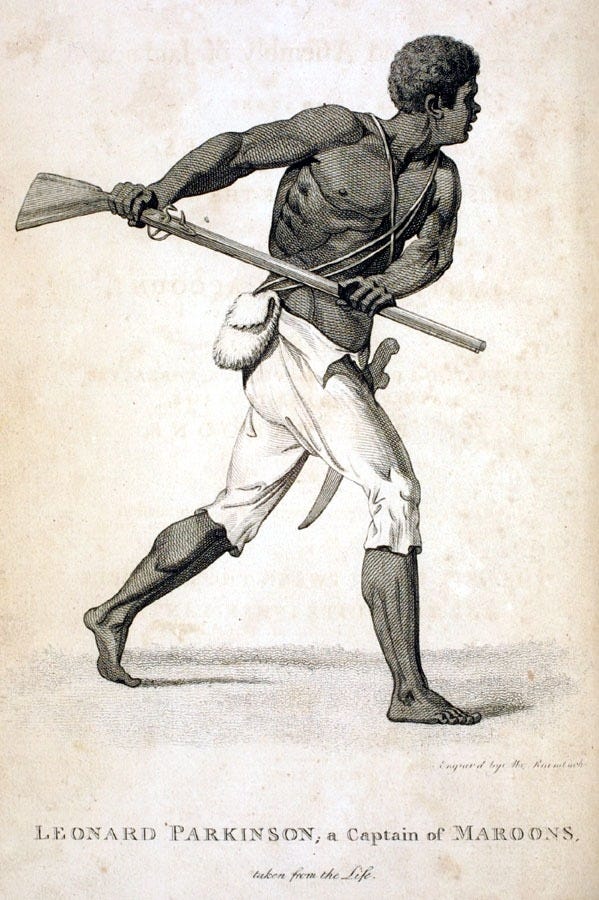
I’ve spoken about the Akan influence on Jamaica before. In my post “Obeah is Not a Bad Word,” I touched on the anti-Obeah law of 1898, which was enacted as a result of the many successful uprisings. However, I think we should take it a little further back.
Every August, Jamaica transforms into a vibrant celebration of freedom. On the first day of the month, the island commemorates Emancipation Day, marking the abolition of slavery in 1834. Just five days later, on the sixth, Independence Day honors Jamaica's hard-won sovereignty from British rule in 1962. But these holidays represent far more than mere dates on a calendar—they stand as powerful symbols of resistance, written in the blood of warriors like Tacky, the Koromantin rebel who led one of the most significant uprisings in the British Caribbean.
But first? Who were the Koromantin?
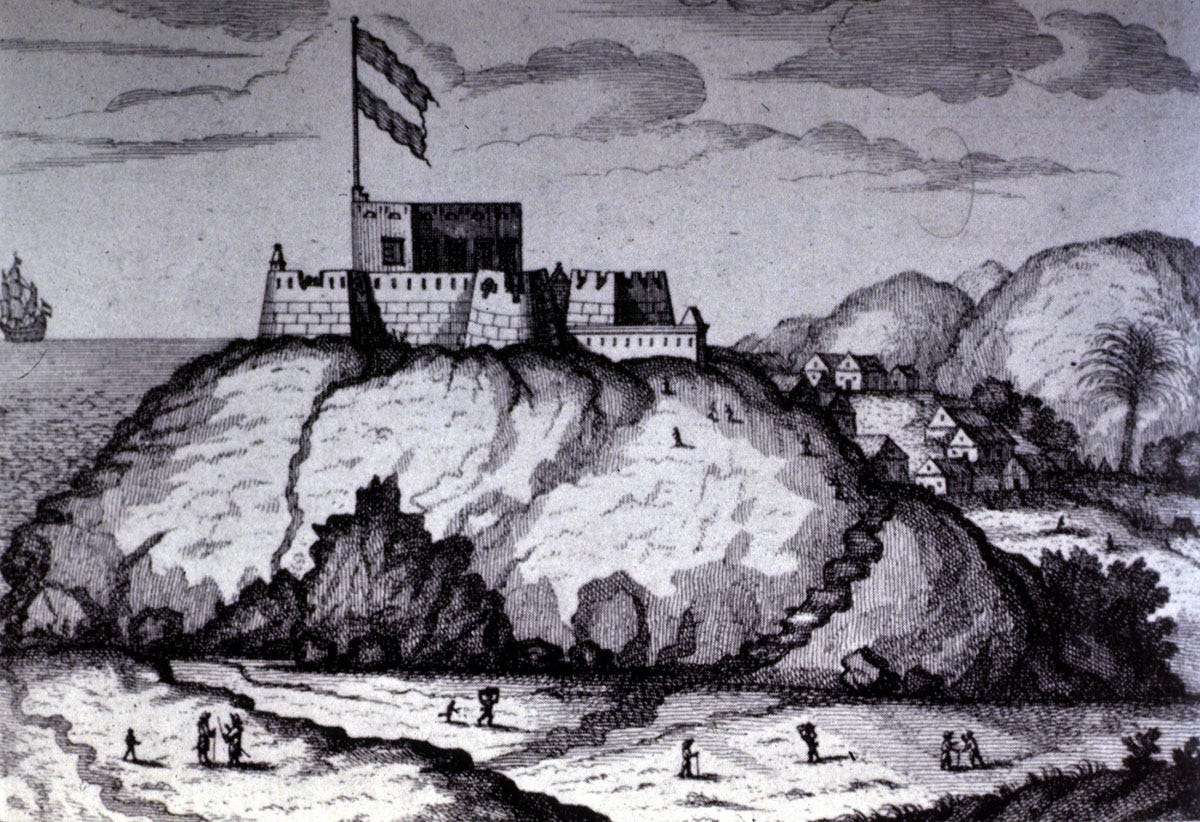
The term Koromantin (or Coromantee) carries a complex history and is shaped as much by European colonial logistics as by the identities of the African people it purported to describe. Derived from Fort Kormantine, a Dutch and later British trading post in present-day Ghana, the label was used by enslavers to categorize captives shipped from the Gold Coast region, particularly Akan-speaking groups like the Fante, Ashanti, and Akwamu. Yet this term was not an ethnic identifier chosen by the people themselves; it was a colonial shorthand, a way for slave traders to track human cargo by point of embarkation rather than cultural affiliation. The Dutch and British, focused on profit and control, reduced diverse African nations to port names (Kormantin, Elmina, Accra), erasing individual histories while inadvertently documenting the routes of displacement.
The people labeled Koromantin were often warriors, rulers, and artisans from Akan societies with sophisticated political and military traditions. The Fante and Ashanti, for example, were known for their centralized states, gold trade, and resistance to European encroachment. When captured through warfare, raids, or betrayal, their skills made them both valuable and feared in the Americas. As the historian Vincent Brown notes, the same leadership qualities that made Akan individuals powerful in West Africa rendered them formidable rebels in the Caribbean and beyond.
The Impact on The Diaspora
The Koromantin were scattered across the Atlantic world, but their influence coalesced in acts of resistance. In Jamaica, they led Tacky’s Revolt (1760), an island-wide uprising that nearly toppled colonial rule. In Suriname, they formed the backbone of Maroon communities like the Saramaka, waging guerrilla wars against Dutch planters. In New York City, Akan-speaking rebels were central to the 1712 slave revolt, where they set fires and fought militias with stolen weapons. Even in Antigua, a man known as Prince Klaas (likely Kwaku Takyi) was crowned "King of the Coromantees" in a ceremony that doubled as a declaration of war against slavery.
Their rebellions were not isolated events but part of a pattern. The 1733 revolt in St. John (then Danish-held) saw Akwamu warriors seize control of the island for months, while in Barbados, the 1816 Bussa Rebellion (possibly led by a Koromantin) prefigured emancipation. In Guyana, the 1763 Berbice Uprising, led by Kofi (Cuffy), established an independent African state for over a year. These revolts shared tactics: oath-taking, centralized leadership, and alliances with Indigenous and Maroon groups; strategies rooted in Akan military traditions.
The official abolition of slavery on August 1, 1834, was not a benevolent gift from the British Empire but rather a concession forced by centuries of relentless resistance. Historian Trevor Burnard notes that rebellions like Tacky's in 1760 shook the foundations of colonialism, proving that enslaved people were neither broken nor submissive.
Among the most explosive of these uprisings was Tacky's Revolt, which raged from 1760 to 1761. Led by Akan-speaking Koromantin warriors from present-day Ghana, the rebellion was masterminded by Tacky, a former Fante king. His military expertise allowed him to orchestrate an island-wide insurrection. On Easter Monday 1760, Tacky and his lieutenants—many of them trained soldiers—stormed plantations in St. Mary, killing overseers and seizing weapons from Fort Haldane. Spiritual leaders fortified the rebels with Obeah rituals, claiming invincibility. The use of Obeah in this way had a direct impact on how and why it became demonized by British colonists and ultimately led to the banning of the practices. Though the revolt was eventually crushed with the help of British-aligned Maroons, its impact was undeniable. Over sixty white colonists and more than four hundred rebels died, costing Jamaica the equivalent of £25 million today.
Tacky's Revolt was not an isolated event. It ignited further uprisings across Jamaica, including Apongo's rebellion in Westmoreland, led by a Dahomean prince. These insurrections exposed the fragility of slavery, paving the way for the Baptist War of 1831, which became the final spark before abolition. Today, Emancipation Day is observed with drumming, storytelling, and libations for ancestors like Tacky, ensuring their sacrifices are never forgotten.
The Proposal to Ban Koromantin “Imports”
The colonial archives tremble with warnings about the Koromantin—those "turbulent, savage" Africans who refused to bow. Edward Long, a Jamaican planter and architect of racist pseudoscience, spent pages agonizing over their rebellions, lamenting how these warriors from the Gold Coast "endangered" the plantation system. How ironic that the very people extracted from their homelands to build empires they’d never benefit from dared to fight back! The British called it "rebellion"; I’d call it logic.
Enslavers were baffled that Akan people who were kings, soldiers, and artisans wouldn’t acclimate to chains. Long even proposed banning their importation, terrified that their military prowess would inspire revolt. Imagine: a system built on forced labor, whips, and dehumanization was shocked that the enslaved preferred freedom. The hypocrisy is staggering. These planters, who’d never till a field themselves, expected gratitude for stealing lives. Instead, they got Tacky’s Revolt, the Haitian Revolution, and a legacy of resistance that still sings in our blood.
Rebellion was dignity. Every burned plantation, every escaped Maroon, every whispered prayer was a refusal to let slavery define their humanity. The colonizers feared what they couldn’t control: the unbroken spirit of people who knew they were born free. Today, we wear that defiance as pride. They called us "savage"? Good. Savagery built nations. They trembled at our ancestors’ resolve? Even better. Their fear is our inheritance and proof that no whip could extinguish the fire of a people who refused to forget who they were.
Jamaica’s Road To Independence
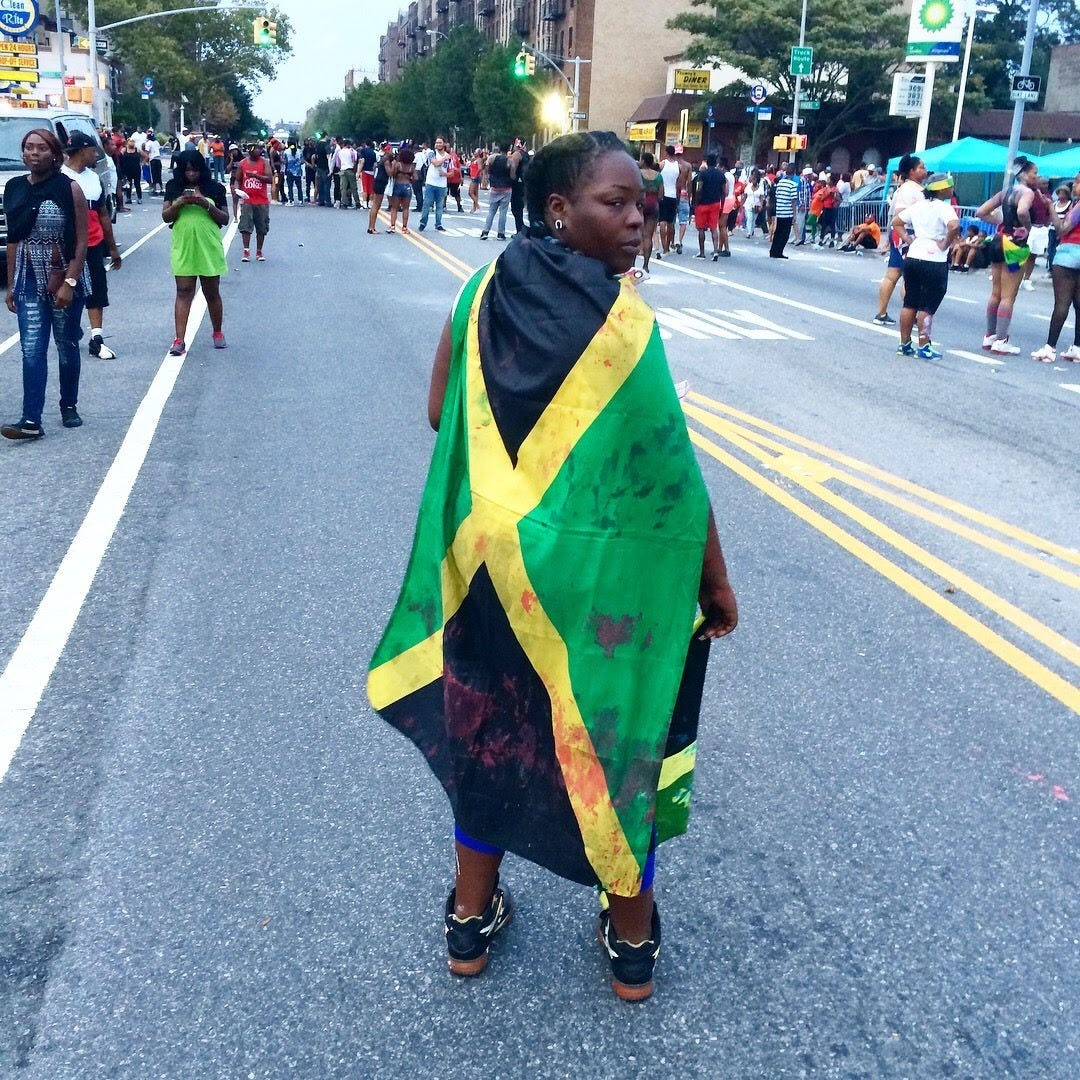
When Jamaica raised its black, green, and gold flag on August 6, 1962, it was both a political milestone and a reclamation of identity. The flag's colors carry deep symbolism: black represents the strength and creativity of the people, gold signifies the island's sunlight and natural wealth, and green stands for the land's fertility and hope for the future. The new national anthem, "Jamaica, Land We Love," echoed this defiance, rejecting colonial erasure and celebrating self-determination.
The Koromantin legacy played a crucial role in shaping Jamaica's national identity. The guerrilla tactics and communal governance of the Koromantin-inspired Maroon communities, which negotiated semi-autonomy from British rule. Cultural survivals from the Akan people endure in Jamaican Patois, with words like "unu" (you all) and "nyam" (to eat) still in use today. Folklore also preserves this heritage, with Anansi the spider, a trickster figure from Akan tales, becoming a symbol of wit and resistance. The Pan-African vision of Marcus Garvey, who called for "Africa for Africans," mirrored the Koromantin dream of returning to a free homeland.
The spiritual practices of the Koromantin, particularly Obeah, were feared by colonists not just as superstition but as a potent tool of rebellion. Today, traces of these traditions live on in Kumina, a Kongo-descended practice blending ancestor worship and drumming, and in the Rastafari movement, which, though distinct, shares an emphasis on African divinity and sovereignty.
Physical reminders of this resistance endure across Jamaica. Tacky's Falls in St. Mary marks the site where rebels made their last stand, while Claude Stuart Park houses a monument to Tacky, though the cave where his men died remains lost to history. The struggle to preserve this legacy continues, as seen in 2023 when a racist plaque glorifying Tacky's suppressors was removed from a church in Dorset—a small but significant victory in decolonizing history.
Emancipation and Independence are not endpoints but milestones in an ongoing struggle. The shadows of colonialism linger, and the fight for reparations and justice persists. When Jamaicans dance to Nyabinghi drums or recount Anansi stories, they honor Tacky's war cry and honor a demand for freedom that still echoes across generations. The Koromantin didn't just resist; they dreamed of a free Jamaica.
Today, we live their dream, but the work is far from finished.
Until Next Time,
Nikki